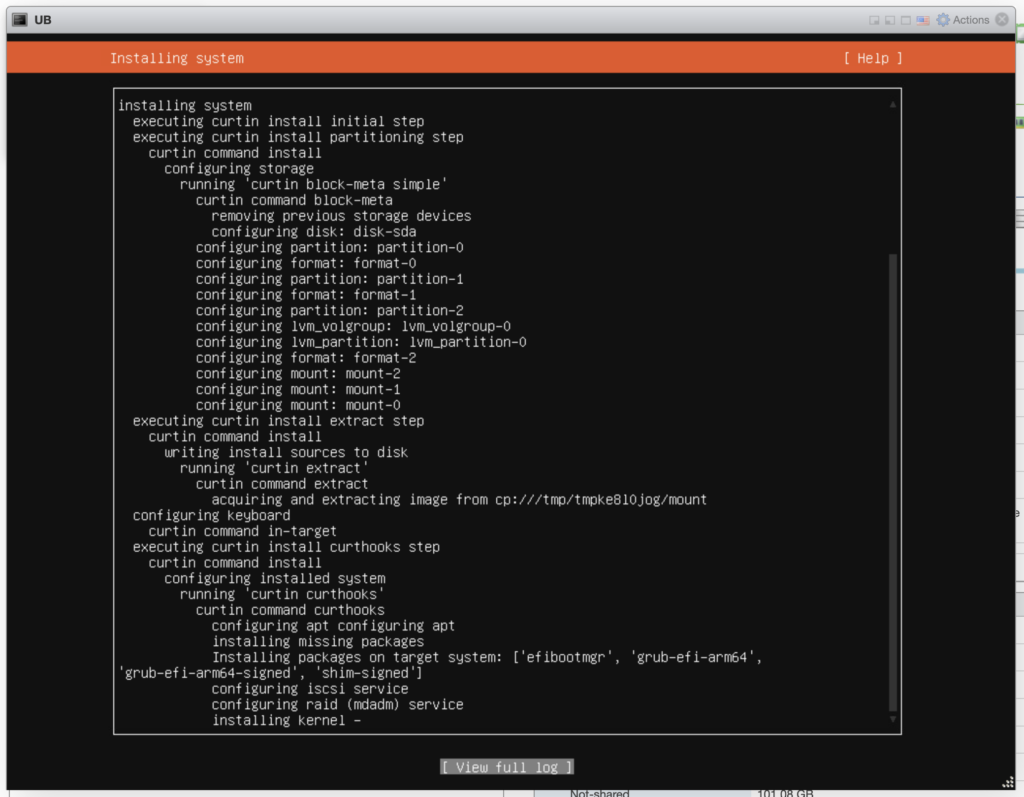
Whilst playing about with the latest release of the ESXi for ARM Fling on a handy Raspberry Pi, I managed to waste a good few hours before I discovered that both the 22.04 and 23.10 releases of Ubuntu Server for ARM now require more than 1GB of memory to install without the installer crashing.
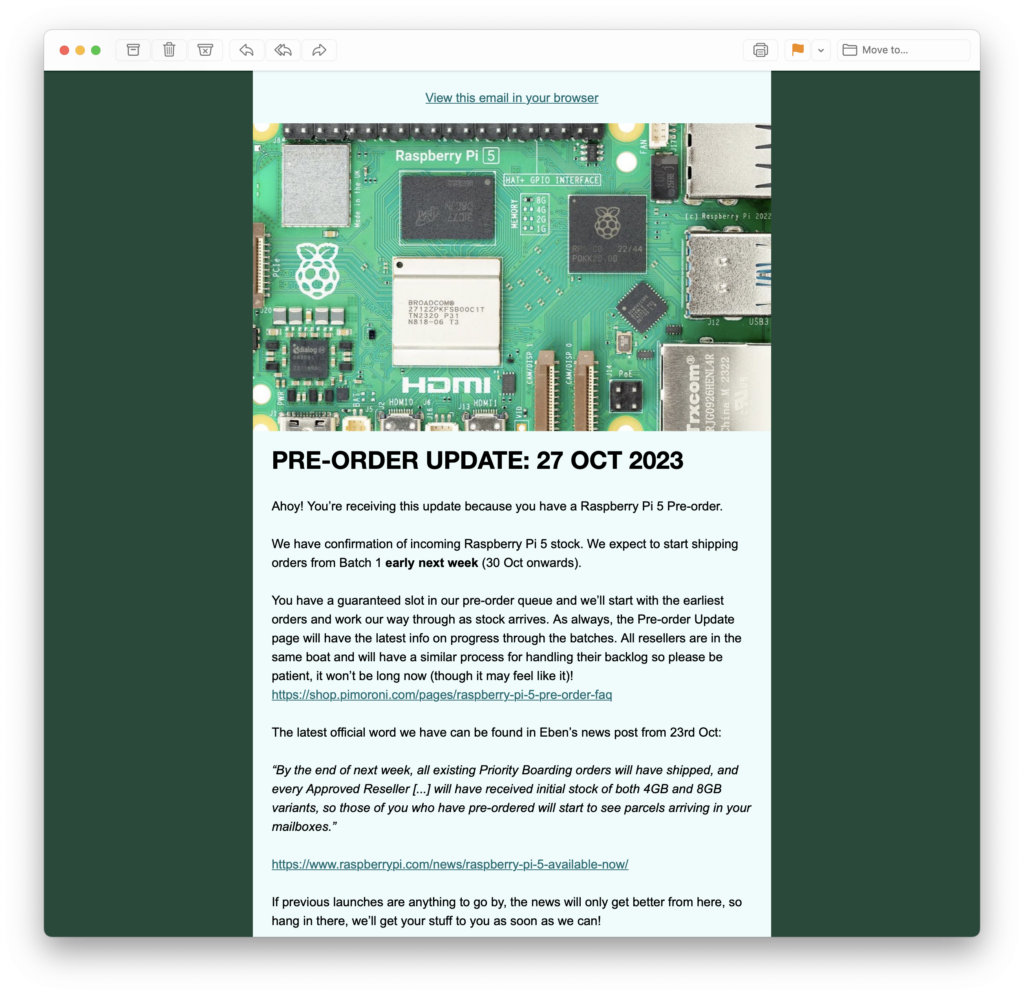
I’ve managed to snag an 8GB model along with the official power supply and the new fan-assisted case. When it comes to the latter, it’ll be interesting to see just how loud and obnoxious the fan actually is.
And, of course, just how much dust it collects before I get around to playing with it.
40 Years Ago, a Japanese con publication printed many ‘messages of support’ from UK/US authors. J.G. Ballard rose to the occasion: ‘That great feat of arms, the Japanese attack on Pearl Harbour on December 7, 1941, must now be repeated in the realm of the imagination — let the SF writers of Japan set out across the skies of the human psyche, each carrying a piece of that explosive future which will torpedo the battleships of complacency and inertia!’ (Ansible 35, October 1983)
‘Words inspired by the bad Tripadvisor reviews of the beautiful coastline.’
The Jetty Street Press
‘Overrated Cornwall‘ is a set of anti-advertisement posters for one of my favourite British regions. Base off some truly terrible TripAdvisor reviews, they are firm proof that there is always someone, somewhere that’s terribly wrong in what they think.
Another passing year brings the 8th major release of the incredibly versatile emulation platform QEMU.
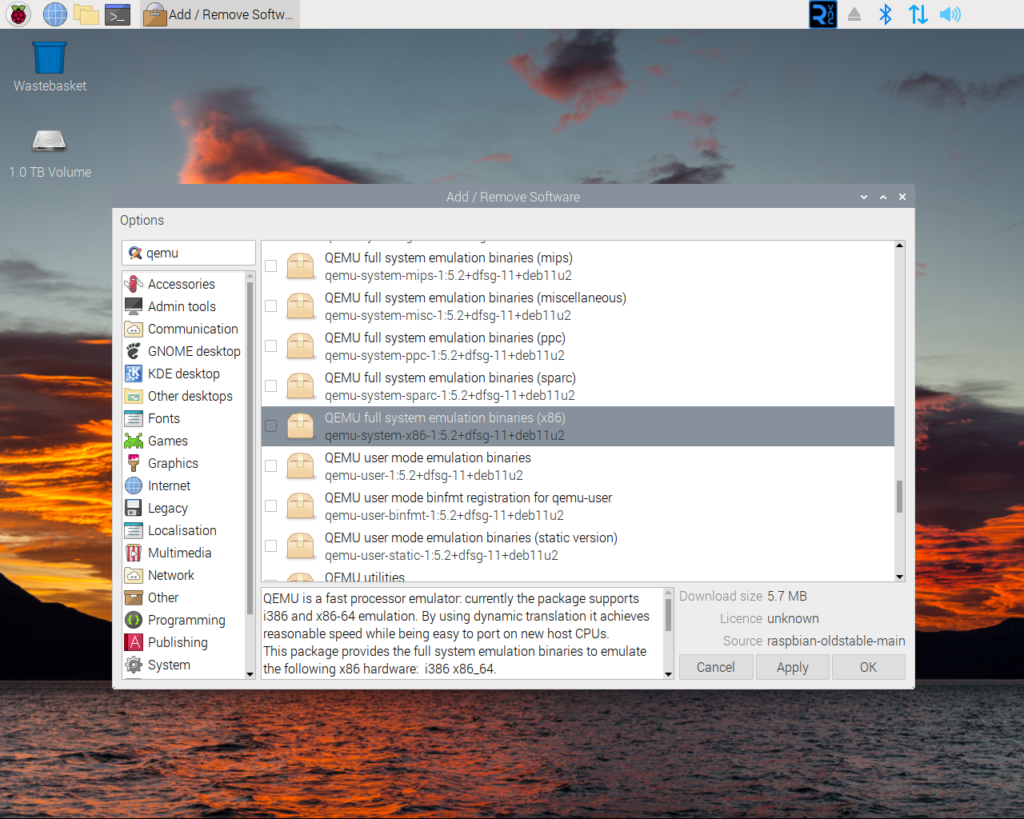
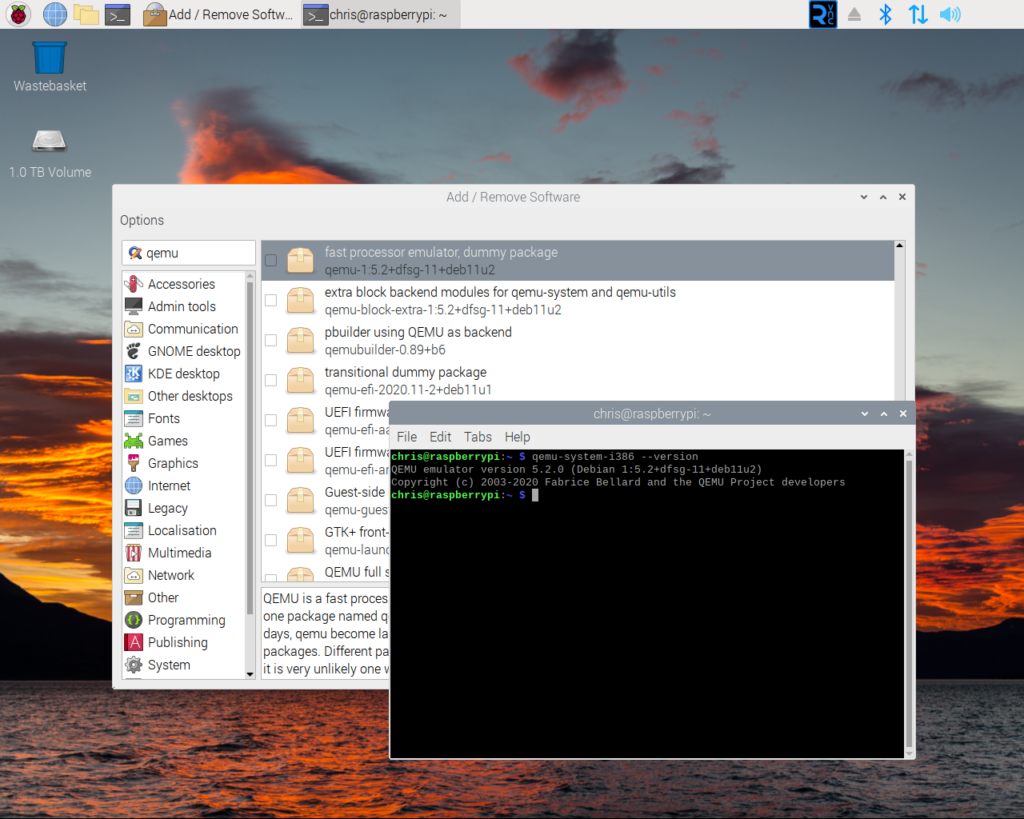
As always, the fastest, simplest way to get QEMU onto Raspberry Pi OS is via the default package manager. Unfortunately, version 5.2 – the version currently offered via the package manager – is almost 3 years out of date and an awful lot of development has occurred since.
Fortunately building QEMU 8.0 is not that difficult.
QEMU in the Raspberry Pi OS package manager…
…alas the offered version is incredibly out of date!